A facilities director in a midwest school district told us something that has stayed with us. The outdoor furniture her school purchased three years ago was already falling apart. Screws were rusting. Two of the picnic tables wobbled so badly students had stopped sitting at them. She said they spent more on that furniture than they would have spent on pieces built to last a decade.
The price looked right. The spec was wrong.
Schools make this mistake more often than most people admit. Outdoor furniture sits outside the main capital budget cycle. It gets purchased quickly, with less scrutiny than a cafeteria table or a classroom chair would ever receive. The result is outdoor spaces that age badly, create maintenance headaches, and sometimes become safety issues nobody wants to inherit.
Here is where schools most commonly get it wrong. And what to do instead.
1. They Treat It Like a Residential Purchase
Consumer outdoor furniture is designed for one family using a patio a few times a week in warm weather. School outdoor furniture needs to survive hundreds of students every single school day across a full year of weather cycles. These are fundamentally different use cases, and the materials and construction that work for one will fail the other.
When schools buy from a big box retailer or a residential outdoor brand, they are buying something that was never engineered for institutional use. Frames flex under real load. Finishes are not designed for the UV exposure, temperature swings, and general wear that come with school grounds. The furniture looks fine in spring and embarrassing by fall.
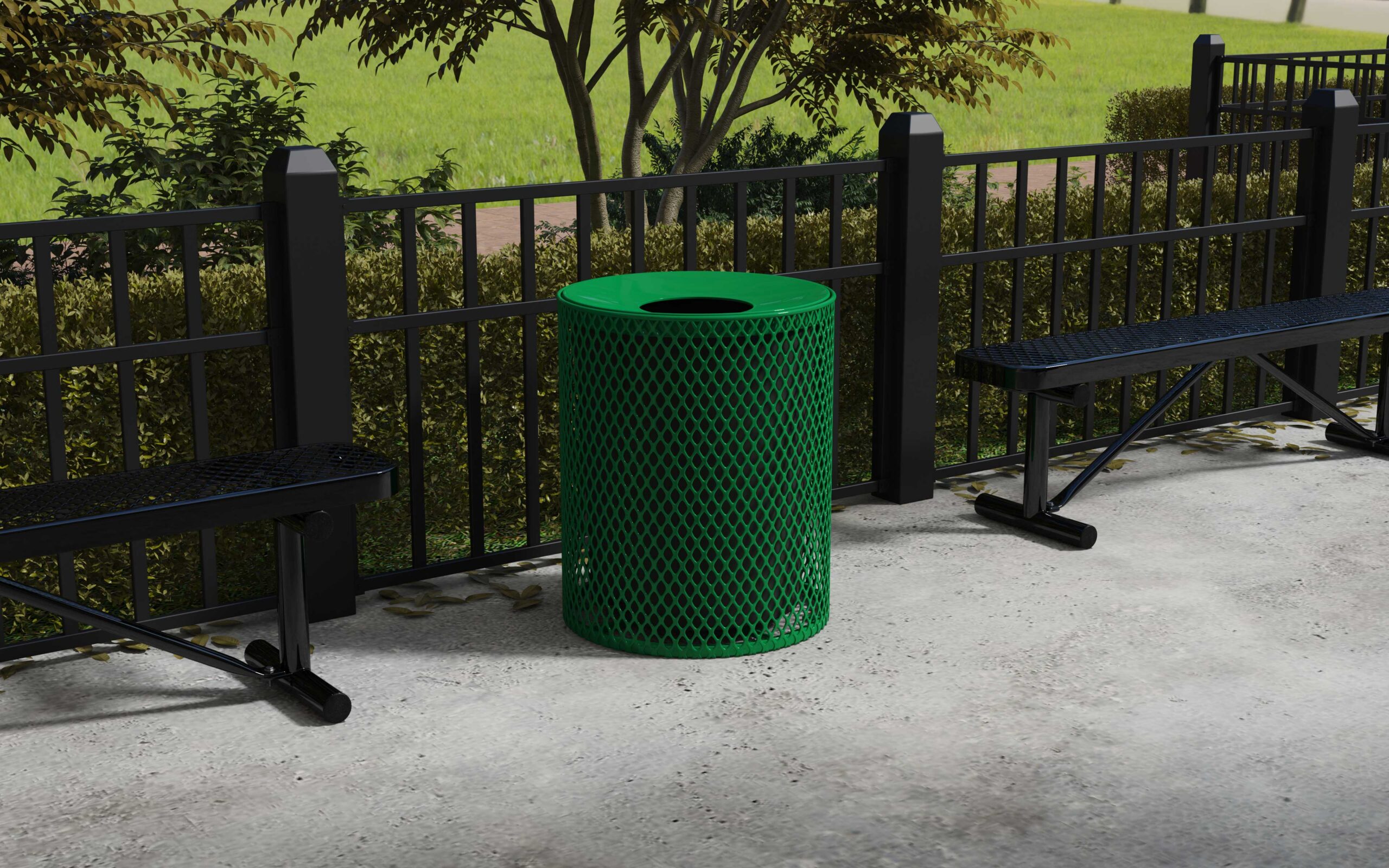 Palmer Hamilton’s Getzen Collection is built for this reality. Coated metal construction with weatherproof thermoplastic finishes available in 15 colors, designed to hold up through institutional daily use. Not just a backyard weekend.
2. They Skip ADA Compliance Until It Becomes a Problem
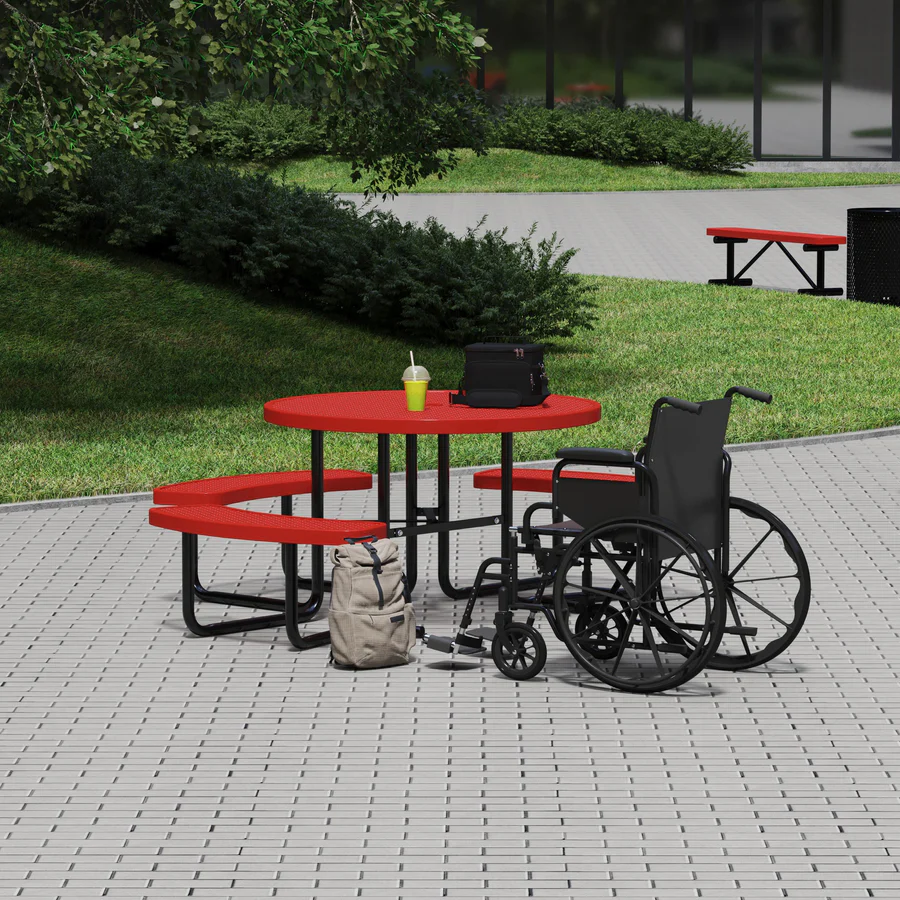 Accessible outdoor spaces are not optional. ADA requirements apply to school grounds just as they apply to indoor spaces, and outdoor furniture is part of that picture. Accessible routes, clearance space around tables, and configurations that accommodate students who use wheelchairs or mobility devices are all part of the requirement.
Most schools do not think about this when ordering outdoor furniture. They think about it when a parent raises a concern or an audit surfaces a problem.
Before you specify anything, work through the accessibility requirements for your specific outdoor areas. A good furniture partner will help you think through clearance dimensions and accessible configurations before the order is placed. Not after.
3. They Focus on Upfront Cost Instead of Total Cost
The cheapest outdoor furniture rarely stays cheap. When a picnic table needs to be replaced after two years instead of ten, the per-year cost is far higher than what a more durable product would have cost. Add in labor for removal, disposal, and reinstallation, and the math gets worse fast.
The question is not “What does this cost to buy?” It is “What does this cost over ten years?” Institutional grade furniture, specified correctly for your climate and use case, almost always wins that comparison.
This is a conversation that facilities directors need to be equipped to have with their administrators. Come with the math. A durable outdoor installation is a long-term investment, not a line item to cut.
4. They Choose the Wrong Products for Their Climate
A picnic table that performs beautifully in a dry southwestern climate may not survive freeze-thaw cycles in Wisconsin or the humidity and salt air of a coastal environment. Material choices matter here, and so does the finish system.
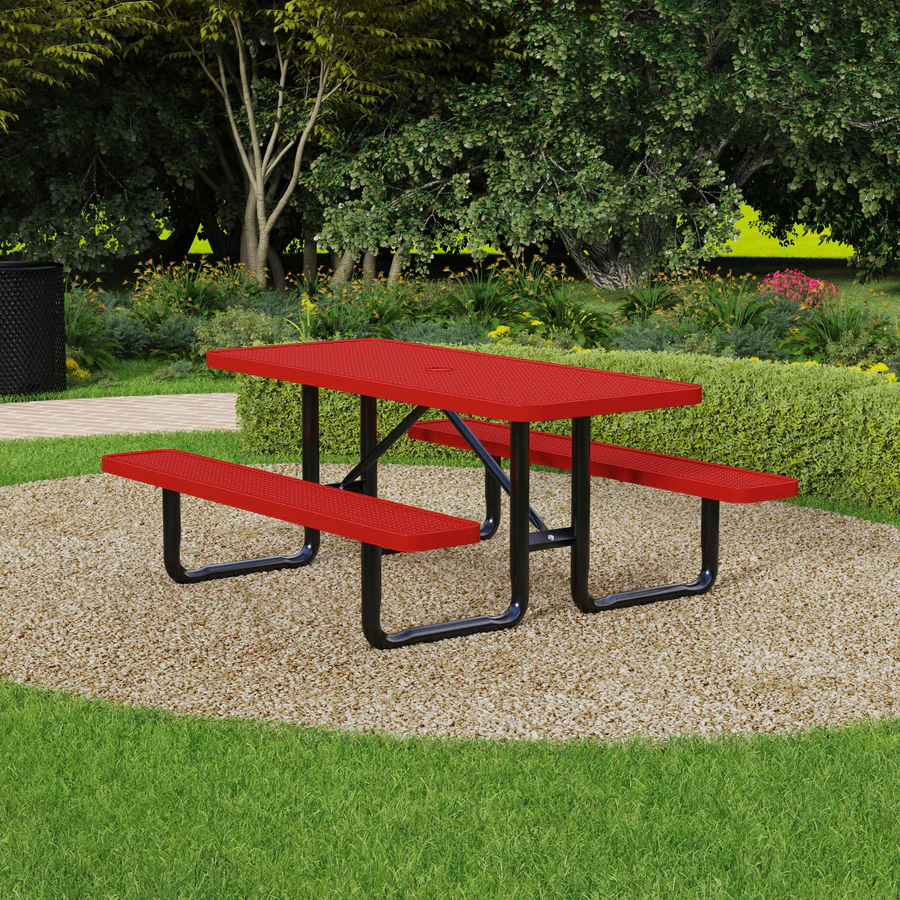
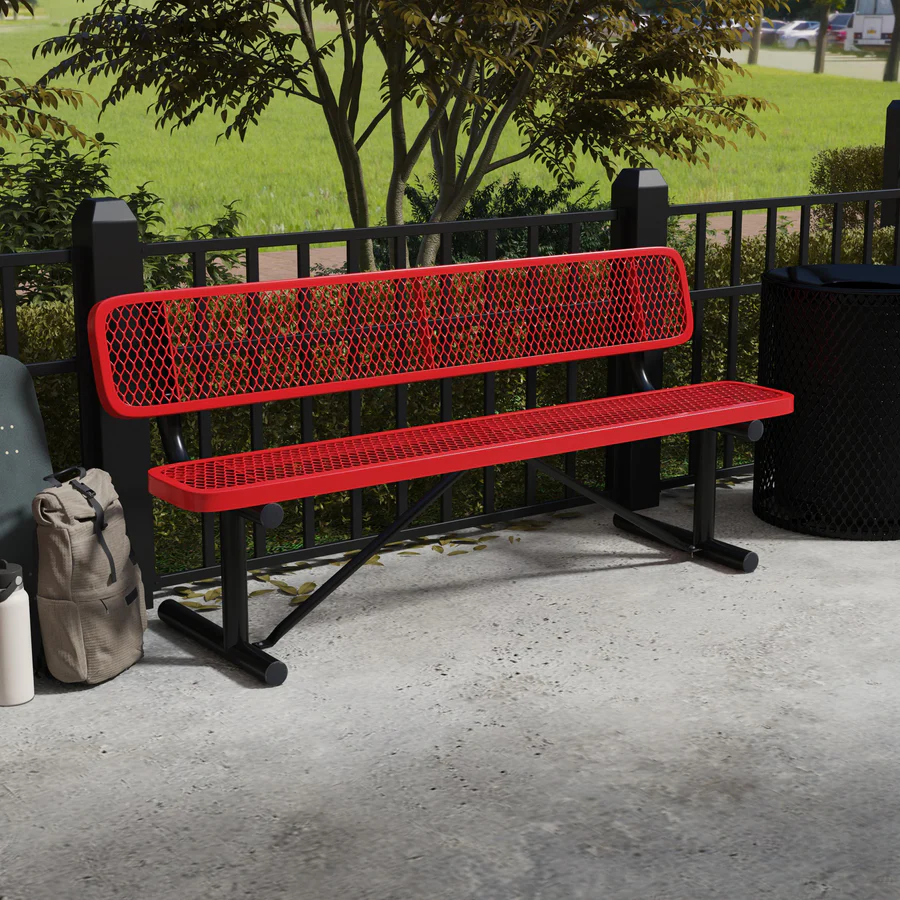 Palmer Hamilton’s Getzen Collection uses weatherproof thermoplastic coated metal construction engineered to handle real weather without peeling, fading, or corroding. The Covey table brings the same institutional durability to an attached-seat configuration that works for both outdoor settings and indoor food service environments, with a QuickShip option for schools that need to move fast.
5. They Do Not Think About How Students Will Use the Space
Outdoor furniture that gets specified without thinking about how students actually move and gather tends to go unused. Tables dropped in an open field with no shade, no sense of enclosure, and no consideration for traffic flow create spaces that feel like a parking lot rather than a destination.
The most effective outdoor installations start with a few honest questions. Where do students naturally gather? What activities are you trying to support? Eating, informal socializing, small group work, quiet study between classes? Where is the shade? How does foot traffic flow around the space?
Getting those answers before you specify furniture means your investment goes into spaces students actually want to be in.
6. They Rush the Decision
 Outdoor furniture purchases often happen in a hurry. A piece fails. A space is being renovated. A grant comes through and someone needs to place an order before the fiscal year closes. Rushed decisions lead to wrong specifications, mismatched finishes, and purchases that do not fit the space they were ordered for.
The better approach is to get outdoor furniture on the capital planning calendar before something breaks. Assess what you have. Identify what will need replacement in the next one to three years. Build a spec before you need it urgently.
Palmer Hamilton’s sales partners can help you work through that assessment and develop a spec that holds up across your procurement process. So when the time comes to place an order, you are ready.
Ready to Build Outdoor Spaces Your Students Will Actually Use?
Connect with a Palmer Hamilton sales partner: palmerhamilton.com/sales-support/
Explore the Getzen Collection: palmerhamilton.com/collections/getzen-collection/
Explore Covey: palmerhamilton.com/product/covey/